

Furniture Dealer Programs: A Retailer's Guide to Trade Accounts, Bulk Ordering & Supplier Support
Key Takeaway
A strong furniture dealer program should give qualified retailers more than access to products. It should support competitive dealer pricing, dependable ordering, clear product information, shipment visibility, a practical category mix and responsive account support. Before opening an account, retailers should compare eligibility, order requirements, assortment breadth, inventory availability, logistics, digital tools and after-sales service.
For furniture retailers, choosing a supplier is not only a product decision. It is an operating decision that can affect assortment planning, cash flow, delivery expectations, customer satisfaction and the amount of time a buying team spends managing orders.
A well-designed furniture dealer program gives approved retailers and resellers a structured way to buy furniture for resale. Depending on the supplier, the program may include wholesale or dealer pricing, access to product specifications, volume ordering, shipment tracking, sales support and purchasing tools.
However, dealer programs are not all built the same way. Some are designed mainly for interior designers making occasional project purchases. Others are built for retailers that need repeat orders, complete room categories, container programs or ongoing account support. The right fit depends on how your business buys, sells and replenishes furniture.
This guide explains how furniture trade programs work, what retailers should compare and which questions to ask before opening a dealer or wholesale account.
At a Glance: What to Compare in a Furniture Dealer Program
| 01 | Eligibility — which business types can apply and what documents are required |
| 02 | Pricing — how dealer pricing, promotions and freight affect the landed cost |
| 03 | Order Requirements — opening orders, minimum quantities and repeat-order rules |
| 04 | Assortment — whether the supplier covers the categories your store needs |
| 05 | Availability — inventory visibility, lead times and replenishment planning |
| 06 | Ordering Flexibility — bulk, mixed-category or direct-container options |
| 07 | Dealer Tools — purchase orders, specifications, pricing and shipment tracking |
| 08 | Support — account service, claims handling and product assistance |
What Is a Furniture Dealer Program?
A furniture dealer program is a business-to-business arrangement that allows approved companies to purchase products for resale or commercial use. Instead of shopping through a consumer checkout, the dealer works through a wholesale account, sales representative or dealer portal.
For an independent furniture store, regional chain or e-commerce retailer, a dealer program can provide access to collections, pricing and support that are not offered to the general public. The supplier may also provide product images, specification sheets, ordering assistance, inventory information and shipment updates.
Dealer Program vs Trade Account vs Wholesale Account
These terms are sometimes used interchangeably, but they may describe different types of buying relationships.
Furniture Dealer Account
A dealer account is generally intended for businesses that resell furniture to consumers or other buyers. The relationship is usually ongoing and may include dealer pricing, account support, product documentation and repeat-order capabilities.
Furniture Trade Account
A trade account is often aimed at interior designers, architects, home stagers, developers or project buyers. Purchases may be tied to individual projects rather than regular retail replenishment. Some suppliers use “trade program” as a broader term that also includes retailers.
Wholesale Furniture Account
A wholesale account typically focuses on purchasing goods for resale at business pricing. Requirements may include a resale certificate, business registration, tax documentation, minimum orders or proof of an established retail channel.
Before applying, retailers should confirm which account type matches their business. A program designed for a designer ordering several pieces for a client may not provide the assortment, logistics or replenishment support needed by a store buying for ongoing resale.
1. Check Who Is Eligible to Apply
Most supplier programs require applicants to operate a legitimate business. Common applicant types can include brick-and-mortar furniture stores, e-commerce retailers, regional chains, resellers, interior design firms, hospitality buyers and commercial procurement teams.
The supplier may request business registration information, a resale certificate, a company website, store details, purchasing contacts or expected order volume. Requirements vary, so retailers should review the application process before planning a purchase.
Information to Prepare
- Registered business name and address
- Business website or sales-channel information
- Resale or tax-exemption documentation, where applicable
- Primary purchasing and accounts-payable contacts
- Product categories of interest
- Expected purchasing method or approximate order volume
2. Compare the Real Landed Cost, Not Only Dealer Pricing
Dealer pricing is important, but the quoted product cost is only one part of the buying decision. Retailers should calculate the likely landed cost after freight, handling, storage, duties where applicable, payment terms and the operational cost of receiving the order.
A lower unit price may not produce a better retail margin when the order requires excessive quantities, carries long lead times or creates slow-moving inventory. Likewise, a slightly higher product price may be commercially stronger if it comes with dependable availability, clearer logistics and products that fit the store's customer base.
3. Understand Opening Orders and Minimum Requirements
Furniture dealer programs can use several order structures. A supplier may require a minimum opening order, minimum quantities by item, a minimum value per shipment or a full-container commitment. Other programs may support mixed categories or smaller repeat orders after the account is approved.
There is no single ideal minimum. The right structure depends on the retailer's floor space, storage capacity, sales velocity and access to working capital. A larger order can improve purchasing efficiency, but it also increases inventory exposure if the assortment is not well matched to local demand.
Questions to Ask About Order Minimums
Can different colors or configurations be combined? Are minimums set by SKU, collection, category or total order value? Are opening-order rules different from replenishment orders? Can the retailer test a new category before making a larger commitment?
4. Evaluate the Breadth of the Product Assortment
A broad assortment can reduce the number of suppliers a retailer must coordinate. It may also help stores build complete-room presentations and offer customers products across several price points or furniture categories.
Retailers should consider whether a supplier covers the categories that support their merchandising plan, such as:
- Stationary sofas, loveseats, chairs and sectionals
- Motion sofas, recliners and powered seating
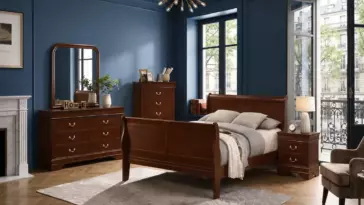
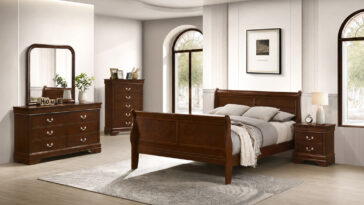
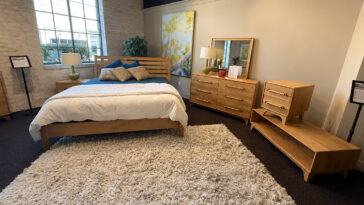
- Bedroom sets and coordinating storage
- Dining tables, chairs and dining collections
- Bunk beds and space-saving bedroom products
- Murphy chest beds and multifunctional furniture
- Occasional furniture and complementary case goods
A retailer that specializes in one category may prefer a focused supplier. A store building a whole-home assortment may benefit from a partner that can support both upholstery and casegoods.
Lifestyle Furniture Programs for Retailers
Lifestyle supports approved dealers across upholstery and casegoods categories, including stationary seating, motion furniture, bedroom sets, dining sets, bunk beds and Murphy chest beds.
Explore Upholstery → Explore Casegoods → Explore Bedroom Furniture →5. Ask How Inventory and Lead Times Are Managed
Retail furniture sales depend on setting accurate customer expectations. Before committing to a supplier, retailers should understand whether products are stocked, made to order or shipped through a direct-container program.
Ask how availability is communicated, how frequently inventory information is updated and what happens when an item is delayed or discontinued. Retailers should also confirm whether lead times refer to production, port departure, warehouse arrival or final delivery.
For repeat sellers, replenishment is especially important. A strong first order is less valuable if the collection cannot be reordered when customer demand grows.
6. Compare Bulk Ordering and Mixed-Category Options
Bulk ordering can improve purchasing efficiency when a retailer has reliable demand for a specific collection or product type. However, concentrating an order too heavily in one category may create inventory risk for smaller retailers.
A mixed-category furniture program gives the buyer more flexibility to build an assortment across dining, occasional, stationary, motion or other categories. This can help retailers fill different areas of the showroom and respond to a broader range of customer needs without relying on a single product type.
Lifestyle's Total Home Program is designed around this type of flexibility. Approved retailers can mix products from multiple categories in a single container, allowing the assortment to be shaped around the retailer's market and floor plan.
One Container, Multiple Furniture Categories
The Lifestyle Total Home Program supports customized assortments across categories including dining, occasional furniture, motion sofas, stationary sofas and chairs.
Explore the Total Home Program →7. Review the Dealer Portal and Ordering Process
A dealer portal should reduce manual work and make essential order information easier to access. The most useful tools depend on the retailer's workflow, but common functions include creating purchase orders, checking order status, tracking shipments, viewing product specifications and accessing account pricing.
Lifestyle's dealer account center allows approved dealers to create and manage purchase orders, track shipments and deliveries, view specification sheets and pricing, and manage ISF filing information.
Retailers should also ask what happens outside the portal. Is there a sales representative or dealer-support contact when an order requires clarification? Can the team help resolve differences between a purchase order and shipment? Are product updates communicated proactively?
8. Examine Dealer Support and After-Sales Service
Furniture orders can involve multiple pieces, large cartons, long transportation routes and detailed product specifications. Even with careful quality control, retailers need a clear process for reporting damage, missing parts, incorrect items or documentation issues.
Before opening an account, ask how claims are submitted, what evidence is required, how replacement parts are handled and which team manages the case. The answer should be clear enough for store staff to follow without relying on informal conversations.
Support also matters before a sale. Useful supplier resources can include product specifications, dimensions, construction details, lifestyle images, assembly information and sales guidance. Better product information helps retailers train staff, improve online listings and set clearer customer expectations.
Furniture Dealer Program Evaluation Checklist
Use This Before Opening an Account
- Does the program accept my type of retail or resale business?
- What business and tax documents are required?
- How is dealer pricing provided and updated?
- What are the opening-order and repeat-order minimums?
- Can I mix products, finishes or categories?
- Which products are stocked and which are made to order?
- How are lead times and shipment milestones communicated?
- Can I view specifications, dimensions and account pricing online?
- Who is my contact for ordering and product questions?
- What is the process for damages, missing parts and claims?
- Does the supplier support my core furniture categories?
- Can the program grow with my store or dealer network?
Why a Whole-Home Supplier Can Be Valuable
Working with a whole-home furniture supplier can simplify sourcing for retailers that sell across several departments. Instead of managing separate relationships for bedroom, dining, stationary upholstery and motion seating, the buying team may be able to coordinate more of the assortment through one account.
This does not mean every product should come from one supplier. Retailers still need to protect assortment uniqueness and compare performance by category. The benefit is flexibility: a broad supplier can support core volume categories, complete-room merchandising and new-category testing while the retailer continues to curate other brands.
Lifestyle Enterprise operates as a global B2B furniture business with a presence in North America and other international markets. Its product portfolio spans upholstery and casegoods, while its dealer resources include account registration, online order management and mixed-category sourcing programs.
Lifestyle Dealer Programs and Buying Events in Action
A strong furniture dealer relationship goes beyond day-to-day ordering. Lifestyle also creates sourcing programs, digital buying events and promotional opportunities that can help retailers plan assortments, improve purchasing value and support showroom sales.
Hsieh Days
Hsieh Days is Lifestyle’s registered online buying event for approved retailers. Participating dealers can review selected products, explore expanded assortments and access event-specific purchasing opportunities.
The event gives retailers another way to evaluate products across multiple categories while working directly with Lifestyle’s sales and dealer-support teams.
Explore Lifestyle Programs →Lifestyle Rollback Event
Lifestyle’s 2026 Rollback Event was a limited-time online sourcing opportunity for retail partners, featuring selected upholstery, bedroom, bunk bed and dining programs.
The event highlighted proven furniture collections at renewed values, helping dealers plan seasonal promotions, create customer interest and support showroom sales.
Although Rollback was not a permanent dealer program, it demonstrates how Lifestyle works with its factory and supply-chain partners to create additional buying opportunities outside traditional furniture market dates.
Read About the Rollback Event →These initiatives complement Lifestyle’s ongoing dealer resources, including account registration, online ordering tools, product information, shipment support and the Total Home mixed-category sourcing program.
How to Become a Lifestyle Dealer
Furniture retailers and qualified business buyers interested in Lifestyle products can begin through the Dealer Registration page. The registration process allows Lifestyle to review the business and connect approved dealers with appropriate products, pricing and support.
Retailers that are still comparing suppliers can also review Lifestyle's guide on how to choose a wholesale furniture supplier, explore the available furniture programs or contact the team with questions about products and purchasing.
Looking for a Furniture Supplier for Your Retail Business?
Apply to join Lifestyle's dealer network and explore furniture collections, dealer resources and sourcing programs built for approved retailers and business buyers.
Register as a Dealer Contact Lifestyle