How to Choose a Wholesale Furniture Supplier for Your Retail Store in 2026
For a furniture retailer, the supplier you choose shapes almost everything that follows: your margins, delivery times, showroom assortment, customer experience, and how well your business can respond when the market shifts. In 2026, choosing the right furniture supplier carries even more weight as trade conditions, tariffs, consumer budgets, and buying habits continue to change.
Choosing a furniture supplier is no longer just about finding the lowest price on a single collection. It is about finding a wholesale furniture partner who can support your retail store through a full year of changing conditions.
How do you choose the right furniture supplier in 2026?
To choose the right furniture supplier in 2026, retailers should evaluate product range, margin potential, sourcing flexibility, logistics support, product innovation, buying convenience, and supplier track record. The best supplier should help you protect margins, keep stock moving, simplify buying, and support your store when market conditions change.
1. Start With Range and Depth
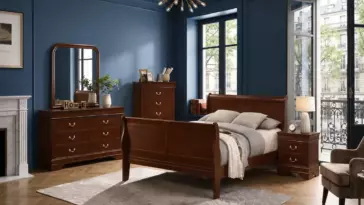
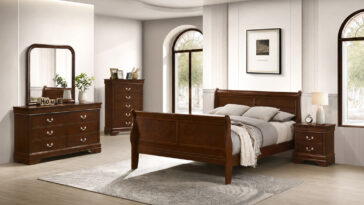
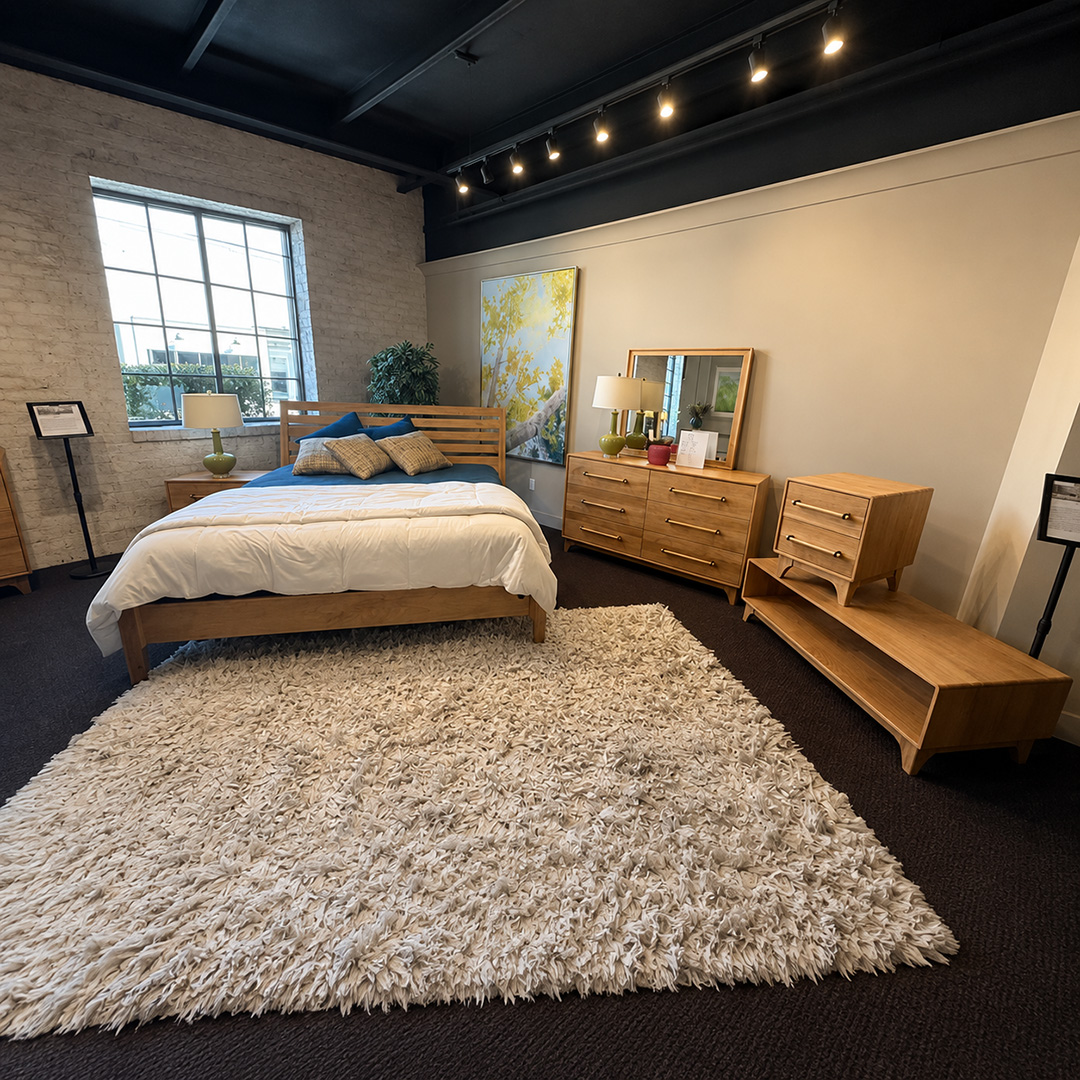
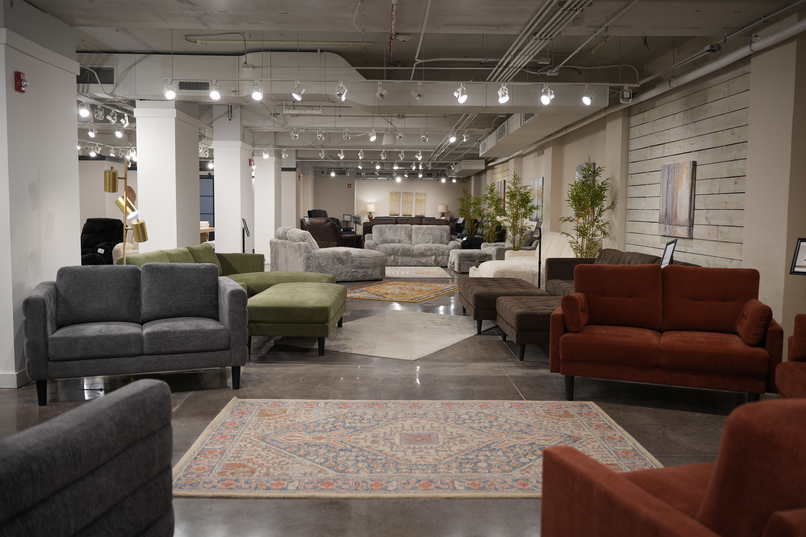
A supplier that covers multiple furniture categories — including upholstery, motion, case goods, bedroom, and dining — lets you consolidate ordering, simplify logistics, and present a cohesive, well-merchandised showroom floor. Sourcing across one strong partner is far easier than juggling a dozen separate vendors.
Depth within each category is just as important. A furniture supplier offering good, better, and best price-point options allows your store to serve budget-conscious shoppers, mid-range buyers, and premium customers from the same line.
2. Look for Real Value, Not Just Low Prices
The cheapest supplier rarely makes you the most money. What matters is value at a sustainable price point: furniture that sells through at a healthy margin, feels right for your customer base, and keeps buyers coming back.
When evaluating a wholesale furniture supplier, look beyond the unit cost. Consider sell-through potential, quality consistency, return rates, product presentation, and whether the retail price is one your customers are willing to pay.
3. Prioritize Supply Chain Stability and Sourcing Flexibility
This is one of the most important supplier criteria in 2026. With tariff and trade conditions changing quickly, a supplier that sources from a diversified factory network is more resilient than one relying on a single country, facility, or product source.
Ask any potential supplier where their products are made, how they respond to disruption, and how reliable their lead times have been over the past year. Their answers tell you how stable your own supply will be.
4. Do Not Overlook Logistics and Customs Support
A lot of what makes a furniture supplier dependable happens behind the scenes. Forwarding, customs documentation, freight coordination, and tariff handling all affect whether your product arrives on time and at the cost you planned for.
A supplier with experienced logistics and forwarding partners helps absorb that complexity, so your retail team can focus on selling instead of chasing shipment problems.
5. Check for Product Innovation
The furniture market does not stand still, and neither should your supplier. A partner that regularly introduces new products and categories — such as motion seating, wellness-focused furniture, space-saving designs, and updated bedroom or dining collections — gives your store fresh stories to tell on the sales floor.
Innovation helps your assortment stay current and gives customers a reason to keep visiting your showroom.
6. Value a Buying Experience That Respects Your Time
Furniture buying in 2026 is increasingly hybrid. Alongside traditional market appointments, more suppliers now offer digital catalogs, online buying events, and remote ordering options that help retailers review the line and place orders without unnecessary travel costs.
A supplier that makes buying easier saves your team time before a single piece ships.
7. Weigh Track Record and Partnership
Finally, consider longevity and how the supplier treats the relationship. A company that has navigated multiple market cycles, communicates clearly, and backs retailers with attentive sales support is more than a vendor. It is a long-term partner.
Stability and service matter most when business conditions become difficult.
Your 2026 Furniture Supplier Checklist
| Range & Depth | Multiple categories with good, better, and best options |
| Real Value | Healthy margins, sell-through potential, and quality consistency |
| Sourcing Flexibility | Diversified factory network and resilience to disruption |
| Logistics Support | Strong forwarding, customs, freight, and tariff handling |
| Innovation | Fresh products, updated categories, and market-relevant designs |
| Easy Buying | Hybrid buying, digital catalogs, and online ordering support |
| Track Record | Proven longevity, clear communication, and reliable partnership |
Questions Retailers Should Ask Before Choosing a Furniture Supplier
Before choosing a furniture supplier for your retail store, ask practical questions that reveal whether the company can support your business beyond the first order.
- Do you supply both upholstery and case goods?
- Do you support furniture retailers, dealers, and showrooms?
- Do you offer good, better, and best price-point options?
- How stable are your lead times?
- Do you provide digital catalogs or online buying options?
- How do you handle freight, customs, tariffs, and forwarding?
- How diversified is your factory or sourcing network?
- How often do you introduce new products or collections?
- Who should retailers contact for support after placing an order?
- How can my store register as a dealer or buying partner?
Why Retailers Partner With Lifestyle
Measured against this checklist, Lifestyle Enterprise was built for the conditions retailers face in 2026. Founded in 1996 and now marking 30 years in business — a milestone covered by Furniture Today — and recently expanded with a new High Point showroom. Lifestyle has grown into a global B2B furniture brand serving retail partners across key markets.
The line spans upholstery, motion, case goods, bedroom, and dining, including collections developed through an established sourcing network of around 40 factories. That gives retailers both the category depth and the sourcing flexibility needed in a changing market.
Strong forwarding and customs partners support the logistics behind the scenes, while Lifestyle's online buying model allows retail partners to review products and order with greater convenience. Above all, three decades of navigating change have made stability and partnership the foundation of how Lifestyle works with retailers.
Looking for a furniture supplier built for 2026?
Talk to a Lifestyle sales representative to explore upholstery, case goods, bedroom, dining, motion, and other retail-ready furniture lines for your store.
Lifestyle Enterprise is a global B2B furniture brand serving retail partners with a full line of upholstery, case goods, bedroom, and dining products, supported by experienced sourcing and logistics operations.